An interaction designer creates intuitive digital experiences defining how users navigate and engage with applications through thoughtful interface behaviors.

Snapshot
Key signals for demand, preparation, and earning potential.
Indicative earning bands by experience level.
Entry-level
$66,000 - $82,500
0-3 years experience
Mid-career
$110,000+ - $154,000
4-10 years experience
Senior
$154,000+
10+ years experience
If you’re fascinated by the seamless blend of technology and user experience, a career as an Interaction Designer may be your perfect fit. In this comprehensive guide, we’ll explore the exciting world of Interaction Design, covering everything from job responsibilities to salary expectations.
Interaction Designers are the masterminds behind the intuitive and user-friendly interfaces of digital products and systems. They play a pivotal role in ensuring that users have a delightful and efficient experience when interacting with websites, apps, software, and hardware.
These designers are passionate about creating interfaces that not only look visually appealing but also function seamlessly, taking user needs, behavior, and feedback into account. Interaction Design is at the intersection of technology, psychology, and aesthetics, making it a dynamic and rewarding field.
As an Interaction Designer, your primary mission is to craft engaging and intuitive user experiences. You’ll be involved in a wide range of responsibilities, including:
The demand for Interaction Designers is on the rise as businesses recognize the crucial role of user experience in the success of digital products. Companies across various industries, from tech giants to startups, value Interaction Designers who can create interfaces that captivate and retain users.
With the proliferation of mobile apps, web platforms, and smart devices, the need for skilled Interaction Designers continues to grow. This demand is not limited to the technology sector; industries such as healthcare, finance, and e-commerce also seek Interaction Design expertise.
Interaction Designers find opportunities in a wide range of industries where digital interfaces play a significant role in user engagement. Some prominent sectors include:
The demand for Interaction Designers varies by region, with technology hubs and major urban centers often having the highest demand. Some geographical areas with significant demand include:
The future looks promising for Interaction Designers as technology continues to evolve and user experience remains a top priority for businesses. Emerging employability options may include:
The profession of Interaction Design is expected to experience significant growth in the coming years. The Bureau of Labor Statistics predicts a 10% increase in employment opportunities over the next decade, which is faster than the average for all occupations.
Factors contributing to this growth include:
Interaction Design is an ever-evolving field that adapts to emerging technologies and industries. Some emerging sectors and industries where Interaction Designers will have a significant role include:
Several technological and societal changes are expected to impact the field of Interaction Design:
As an entry-level Interaction Designer, you can expect a competitive starting salary, typically ranging from $50,000 to $70,000 per year. Your earnings may vary based on factors such as location and the employer’s size and industry.
At this stage, you’ll likely focus on assisting in design projects and gaining practical experience under the guidance of more experienced designers.
With several years of experience and a proven track record, mid-career Interaction Designers can earn between $70,000 to $100,000 annually. Your salary may increase as you take on more complex projects and lead design teams.
Mid-career professionals often work on high-impact projects, contribute to design strategy, and play a significant role in shaping user experiences.
Senior Interaction Designers with extensive expertise and leadership experience can command salaries exceeding $100,000 per year, with some reaching well into six figures.
Senior designers often lead design departments, mentor junior designers, and contribute to shaping the overall design culture of their organizations.
Several factors can influence the salary of an Interaction Designer:
To pursue a career as an Interaction Designer, a bachelor’s degree in a relevant field is typically required. Common educational backgrounds include Interaction Design, User Experience (UX) Design, Human-Computer Interaction (HCI), or Graphic Design with a focus on digital design.
Many professionals in this field also pursue advanced degrees such as a Master of Interaction Design (MID) to deepen their knowledge and skills. While a master’s degree is not always mandatory, it can be a valuable asset for career advancement and specialized roles.
Continuous learning is essential for Interaction Designers to stay updated with the latest design tools and methodologies. Consider additional training or workshops to enhance your skills:
Choosing a career as an Interaction Designer offers numerous advantages:
As an Interaction Designer, you have the unique opportunity to shape the way people interact with technology, making their digital experiences more engaging, efficient, and enjoyable. Your work plays a pivotal role in creating user-centered designs that leave a lasting impact.
With a promising job market, competitive salaries, and the chance to be at the forefront of innovation, pursuing a career in Interaction Design is an exciting choice. Are you ready to embark on a journey that combines creativity, technology, and user-focused problem-solving? Your future as an Interaction Designer awaits!
Join this dynamic profession and contribute to designing a better digital world for users everywhere. Your designs can make a difference.
You can get started with your admission application here .
A 3D animator transforms ideas into moving digital art creating lifelike characters and immersive environments for media.


A 3D animator transforms ideas into moving digital art creating lifelike characters and immersive environments for media.
An AI ethics specialist ensures artificial intelligence systems operate fairly addressing bias and protecting human rights.
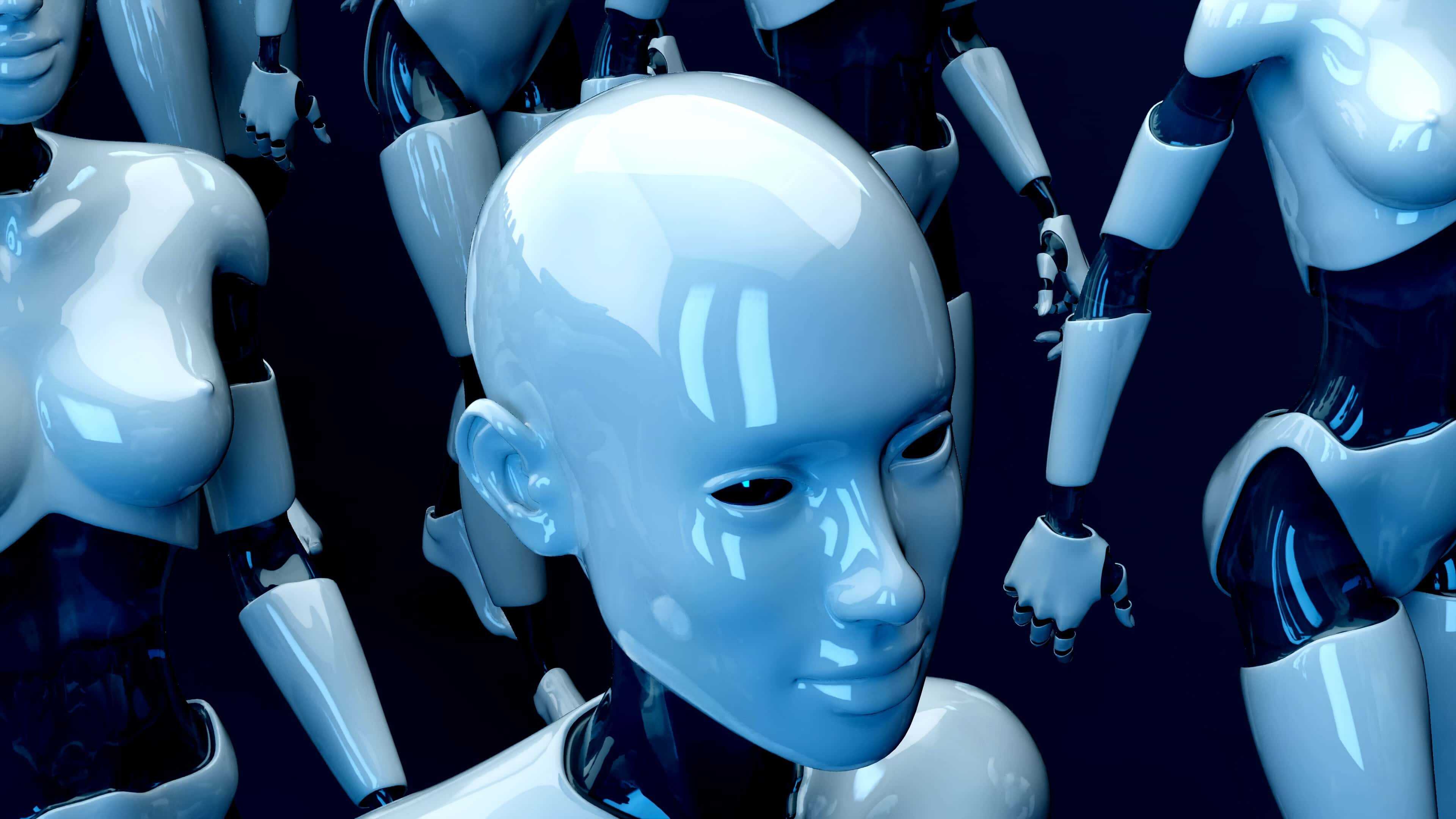
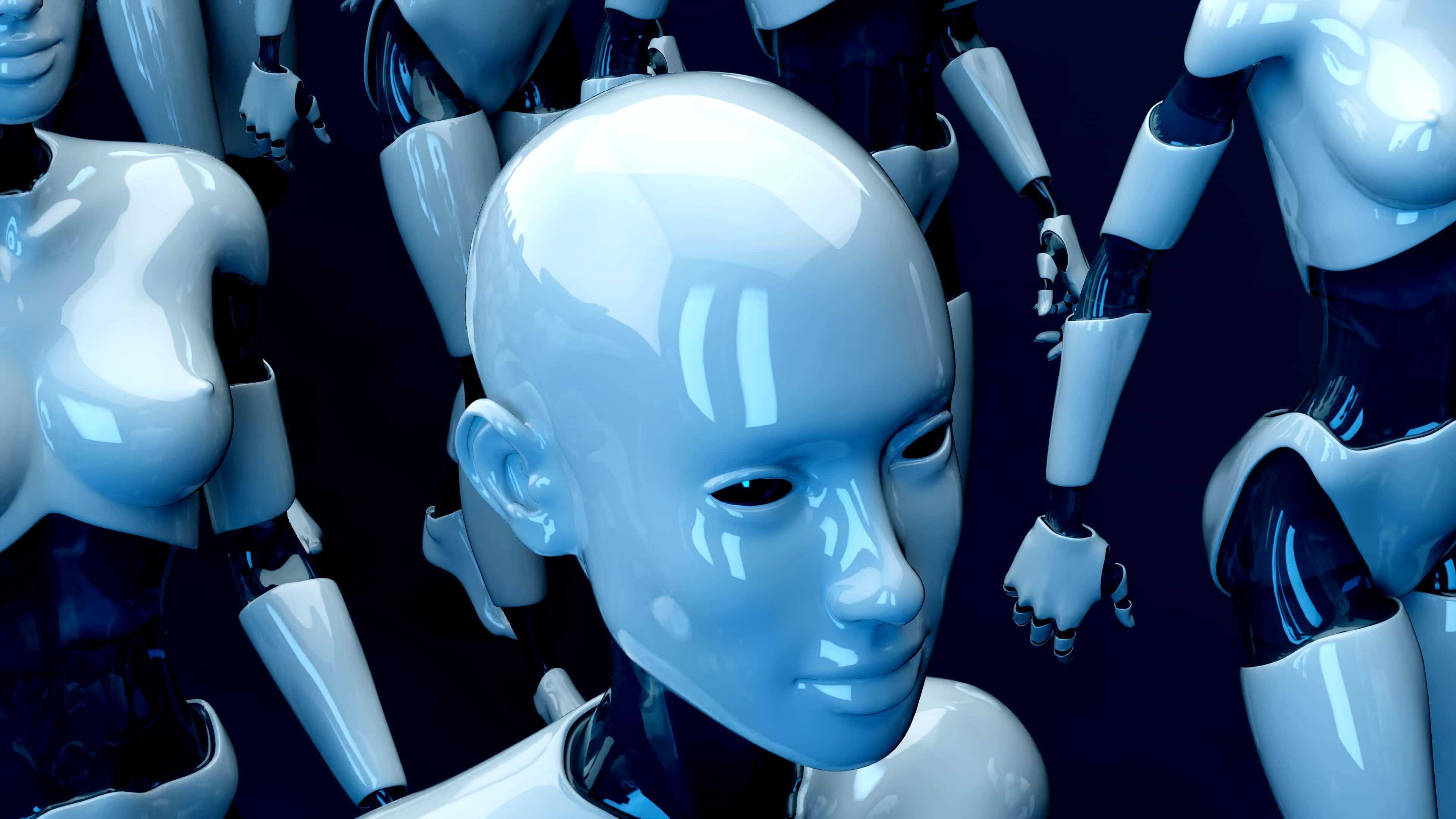
An AI ethics specialist ensures artificial intelligence systems operate fairly addressing bias and protecting human rights.
An AI researcher advances machine intelligence through innovative algorithms pushing the boundaries of what technology can achieve.
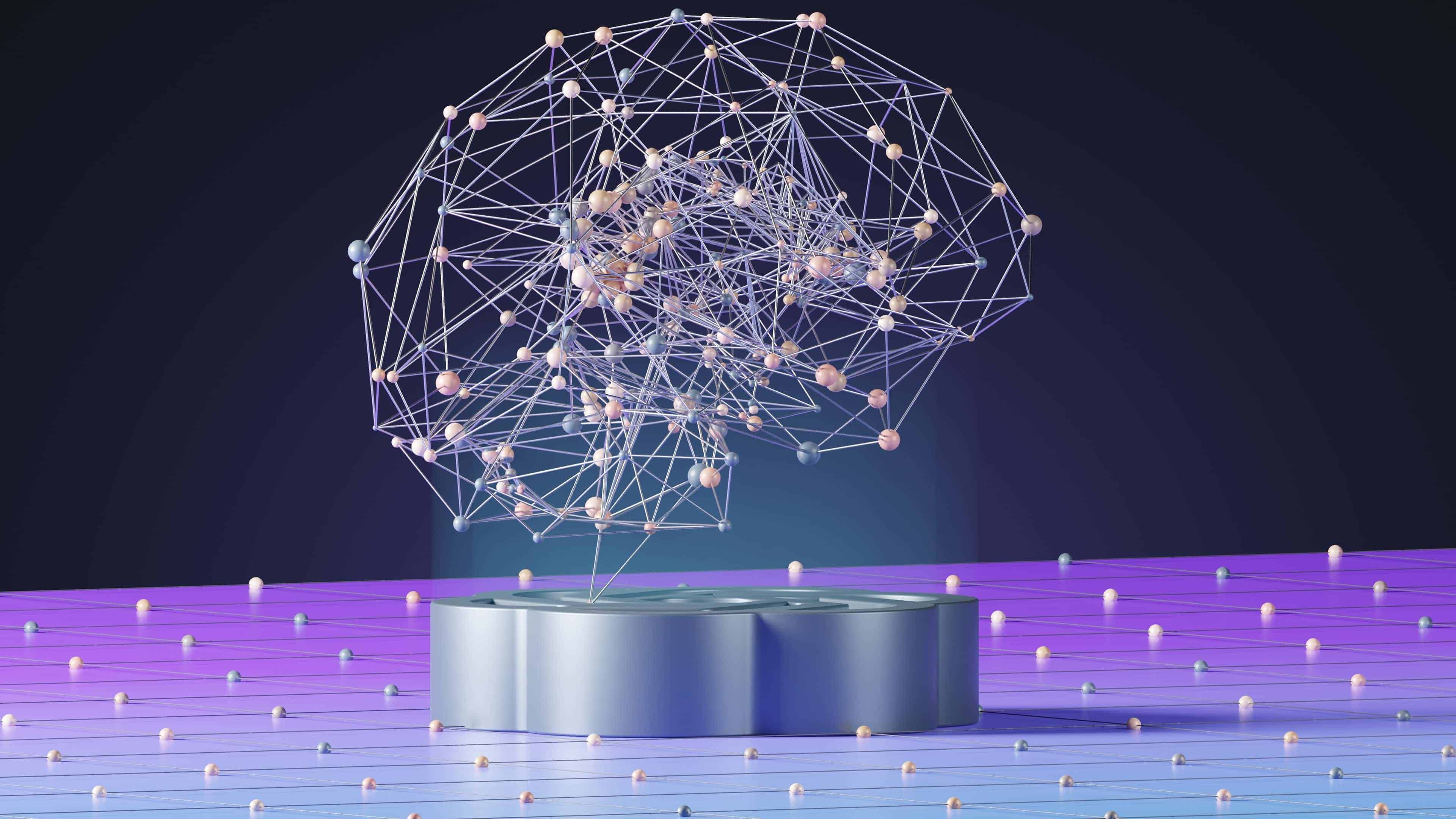
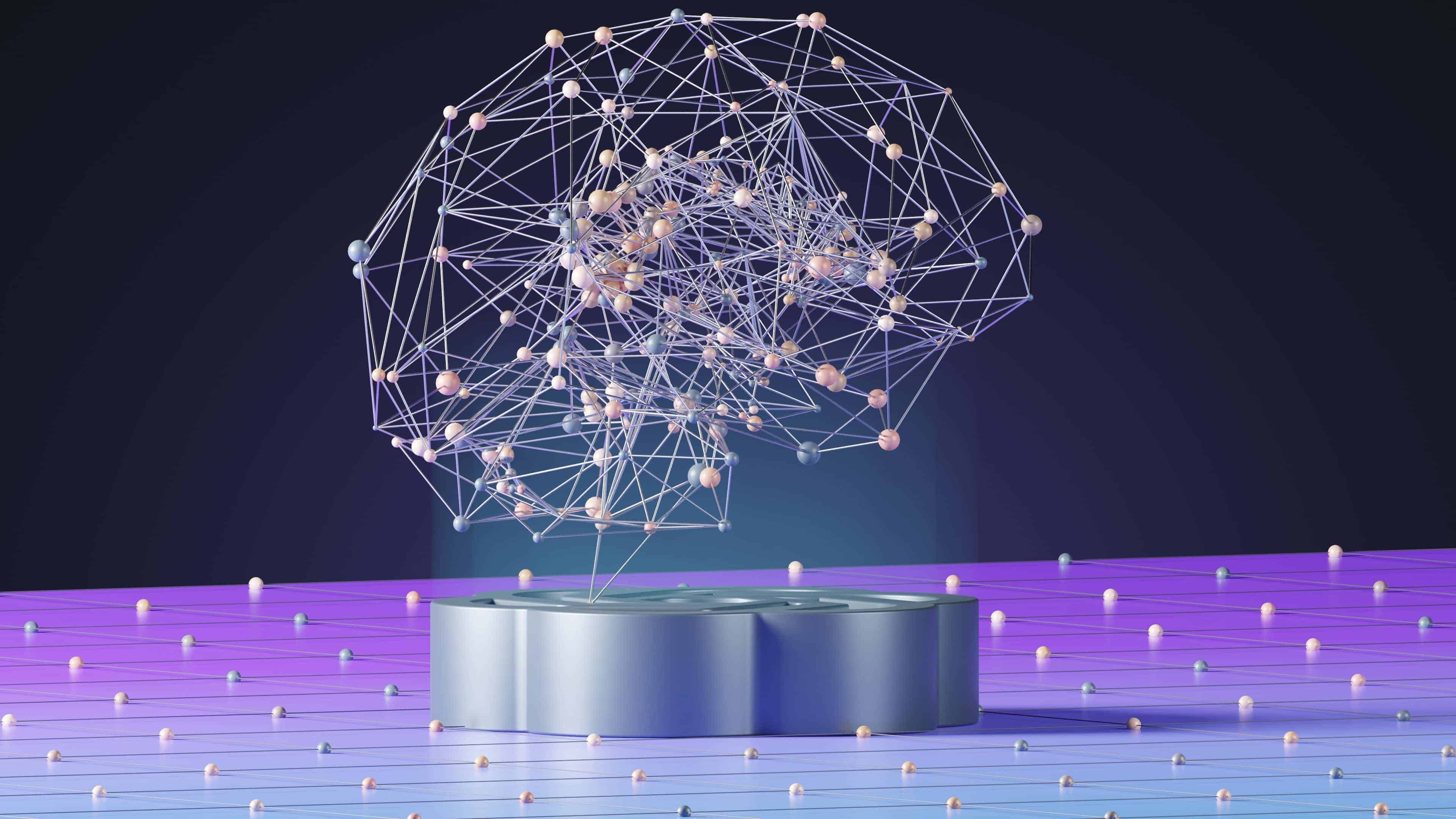
An AI researcher advances machine intelligence through innovative algorithms pushing the boundaries of what technology can achieve.
An API developer builds the digital bridges that connect software applications enabling seamless data exchange and integration.
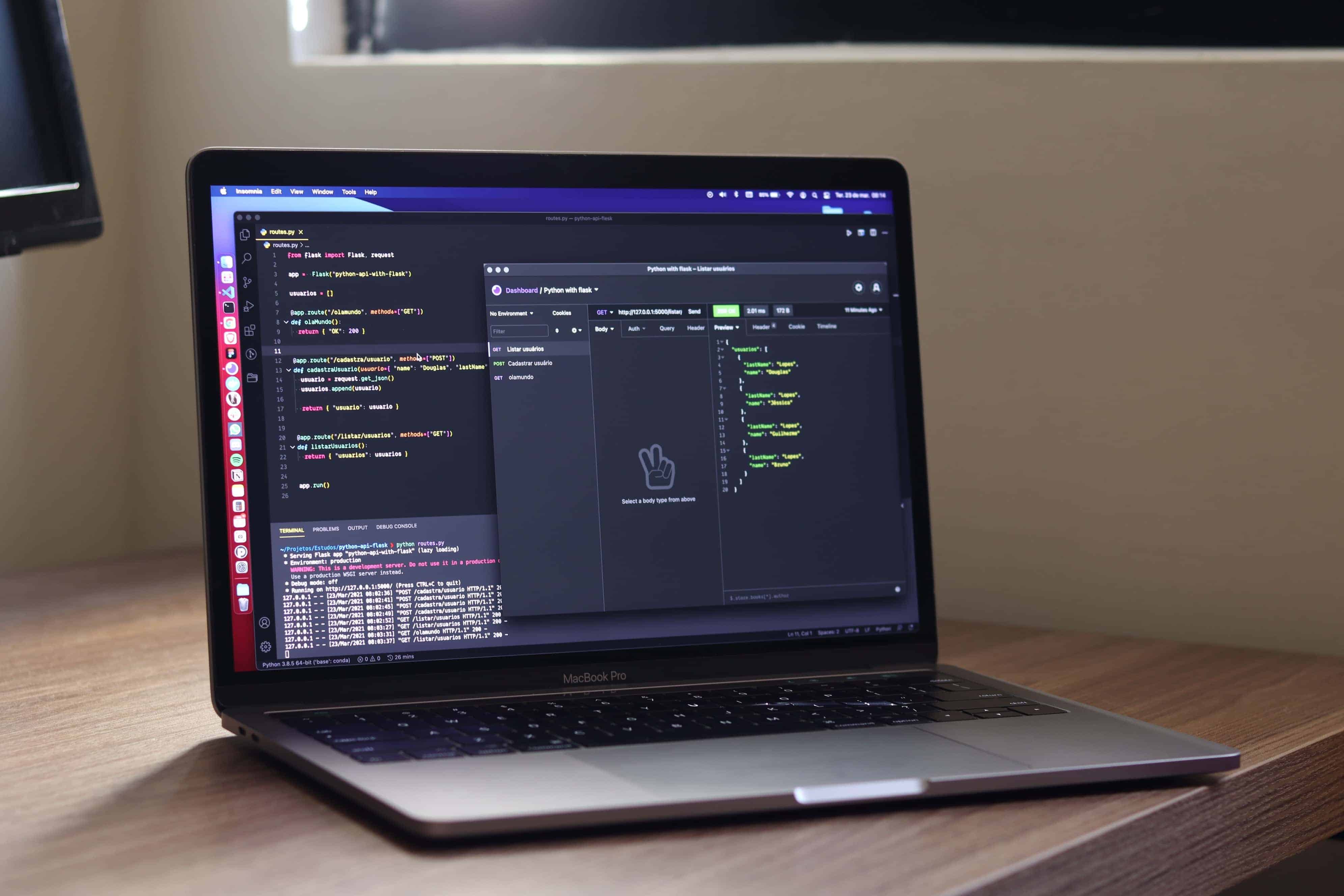
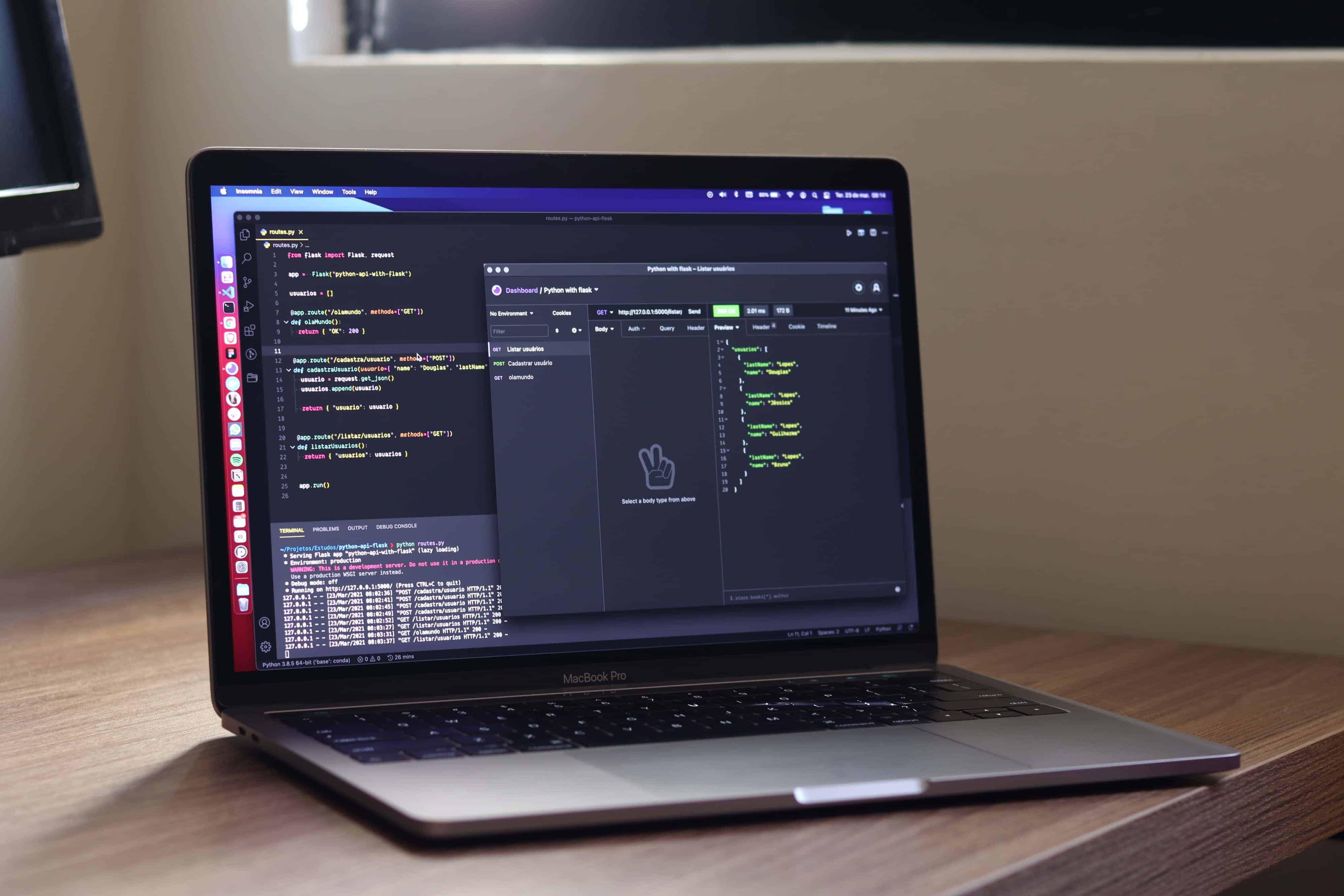
An API developer builds the digital bridges that connect software applications enabling seamless data exchange and integration.
