
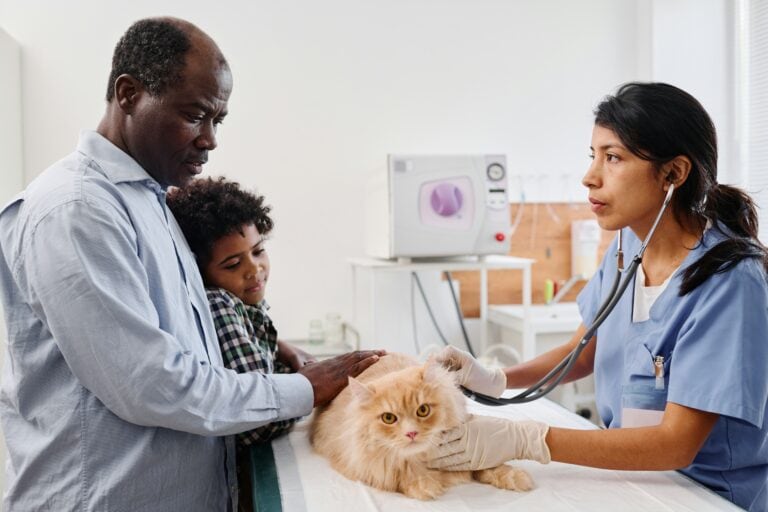
A Veterinary Nurse is a trained professional who works alongside veterinarians to provide medical care to animals. Veterinary Nurses are crucial in ensuring the health and welfare of pets and other animals, assisting in various medical procedures, administering treatments, and providing essential support during surgeries. They are skilled in handling animals, performing diagnostic tests, and educating pet owners on proper animal care.
Veterinary Nurses work in various settings, including veterinary clinics, animal hospitals, research institutions, zoos, and wildlife centres. Their role is diverse, involving tasks such as preparing animals for surgery, monitoring anaesthesia, administering medications, and providing post-operative care. Veterinary Nurses also play a key role in educating pet owners about preventive care, nutrition, and treatment plans.
The demand for Veterinary Nurses is on the rise due to an increasing focus on pet health and the growing need for skilled professionals in the veterinary field. As awareness of animal welfare continues to grow, Veterinary Nurses are becoming an integral part of veterinary healthcare teams, ensuring that animals receive the highest standard of care.
This guide provides an in-depth overview of the career path for Veterinary Nurses, including the necessary education and training, core responsibilities, salary expectations, and potential for career growth. Whether you are considering this fulfilling profession or looking to advance your career in veterinary nursing, this guide offers valuable insights into this vital field.
Career Description
A Veterinary Nurse is a healthcare professional who assists veterinarians in providing medical care to animals. They perform a wide range of tasks, from assisting in surgeries and conducting diagnostic tests to providing nursing care and educating pet owners. Veterinary Nurses are skilled in animal handling and are trained to work with various species, including cats, dogs, rabbits, birds, and exotic animals.
Core Aspects of the Career
Clinical Assistance and Surgical Support
One of the primary responsibilities of a Veterinary Nurse is to assist veterinarians during clinical examinations and surgical procedures. This involves:
- Preparing for Surgery: Preparing animals for surgery by cleaning and shaving the surgical site, setting up the operating theatre with the necessary instruments and equipment, and ensuring that sterile conditions are maintained. Veterinary Nurses also prepare anaesthetic equipment and monitor anaesthesia during the procedure.
- Assisting During Surgery: Assisting veterinarians during surgical procedures by passing instruments, holding tissues, and providing suction or retraction as needed. They are trained to maintain a sterile field and ensure that the surgery is performed safely and efficiently.
- Monitoring Vital Signs: Monitoring the animal’s vital signs during surgery and recovery, including heart rate, respiratory rate, blood pressure, and body temperature. They are responsible for recognising any signs of distress or complications and alerting the veterinarian immediately.
- Post-Operative Care: Providing post-operative care to animals after surgery, including monitoring their recovery, administering medications, and providing wound care. They ensure that animals are comfortable and that their recovery progresses smoothly.
Diagnostic Testing and Medical Treatment
Veterinary Nurses are responsible for conducting diagnostic tests and administering medical treatments under the supervision of a veterinarian. Their duties include:
- Collecting Samples: Collecting blood, urine, faecal, and tissue samples for laboratory analysis. Veterinary Nurses use proper techniques to obtain samples safely and accurately, ensuring minimal stress to the animal.
- Conducting Laboratory Tests: Performing in-house laboratory tests, such as blood tests, urinalysis, and faecal examinations, to assist in diagnosing medical conditions. Veterinary Nurses use specialised equipment and follow protocols to ensure accurate results.
- Administering Medications and Treatments: Administering medications, vaccines, and treatments as prescribed by the veterinarian. This may include giving injections, applying topical treatments, and administering oral medications. Veterinary Nurses also provide fluid therapy and assist with pain management.
- Radiography and Imaging: Taking X-rays and other imaging studies to assist in the diagnosis of injuries and illnesses. Veterinary Nurses are trained in positioning animals for radiographs, operating imaging equipment, and developing and interpreting images.
Animal Care and Nursing
Veterinary Nurses provide essential nursing care to animals, ensuring their comfort and well-being during their stay at the clinic or hospital. This includes:
- Nursing Care: Providing nursing care to hospitalised animals, including feeding, grooming, and monitoring their overall condition. Veterinary Nurses assess the animal’s hydration, nutrition, and pain levels, and provide supportive care as needed.
- Wound Management: Caring for wounds and injuries by cleaning and dressing wounds, applying bandages, and monitoring the healing process. Veterinary Nurses follow protocols for wound management and ensure that animals receive appropriate care to prevent infection and promote healing.
- Rehabilitation and Physical Therapy: Assisting with rehabilitation and physical therapy for animals recovering from surgery or injury. Veterinary Nurses may perform therapeutic exercises, massage, and hydrotherapy to help animals regain mobility and strength.
- Infection Control: Implementing infection control measures to prevent the spread of diseases within the veterinary facility. Veterinary Nurses follow protocols for cleaning and disinfecting equipment, kennels, and treatment areas to maintain a safe and hygienic environment.
Client Education and Communication
Veterinary Nurses play an important role in educating pet owners about their animal’s health and care. This includes:
- Client Education: Providing education to pet owners about preventive care, nutrition, and treatment plans. Veterinary Nurses explain how to administer medications, care for wounds, and manage chronic conditions at home. They offer advice on topics such as diet, exercise, and parasite control.
- Communication and Support: Communicating with pet owners about their animal’s condition, treatment options, and progress. Veterinary Nurses provide support and guidance, answering questions and addressing concerns. They play a key role in building trust and rapport with clients.
- Discharge Instructions: Providing discharge instructions to pet owners when their animal is ready to go home. Veterinary Nurses explain how to care for the animal after surgery or treatment, including medication administration, activity restrictions, and follow-up appointments.
Skills and Competencies
Skills Required
- Animal Handling Skills: Proficiency in safely handling and restraining animals of various sizes and temperaments to reduce stress and prevent injury to both the animal and staff.
- Medical and Surgical Assistance: Knowledge of surgical instruments, sterilisation techniques, and the ability to assist veterinarians during procedures.
- Diagnostic and Laboratory Proficiency: Skills in collecting and processing biological samples, conducting laboratory tests, and performing radiographic imaging.
- Nursing Care: Expertise in providing post-operative and general nursing care, including monitoring vital signs, wound care, and administering treatments.
- Communication Skills: Ability to communicate effectively with veterinarians, team members, and pet owners, providing clear instructions and empathetic support.
- Critical Thinking: Strong problem-solving skills to assess and respond to changes in an animal’s condition, especially in emergency situations.
Competencies
- Attention to Detail: Ensuring accuracy in diagnostic tests, medication administration, and surgical preparations to provide the highest standard of care.
- Team Collaboration: Working effectively within a veterinary team to ensure smooth workflow and cohesive care for patients.
- Empathy and Compassion: Demonstrating care and understanding for animals and their owners, especially during stressful or emotional situations.
- Adaptability: Adjusting quickly to the diverse demands of a veterinary setting, including emergencies and complex cases.
- Infection Control Awareness: Knowledge of protocols to prevent the spread of infectious diseases in clinical environments.
Career Path and Progression
Entry-Level Roles
- Veterinary Assistant: Supporting Veterinary Nurses and veterinarians by handling basic tasks such as animal restraint, cleaning kennels, and assisting with procedures.
- Junior Veterinary Nurse: Working under supervision to provide basic nursing care, administer treatments, and assist in diagnostic tests and surgeries.
Mid-Level Roles
- Veterinary Nurse: Taking on a broader range of responsibilities, including assisting in surgeries, performing diagnostics, and educating pet owners on care and treatments.
- Specialised Veterinary Nurse: Focusing on specific areas, such as anaesthesia, emergency and critical care, or rehabilitation.
Senior-Level Roles
- Senior Veterinary Nurse: Overseeing a team of veterinary nurses and assistants, managing hospital operations, and leading training initiatives.
- Practice Manager: Combining clinical knowledge with administrative responsibilities to manage the operations of a veterinary practice or clinic.
Advanced and Specialised Roles
- Veterinary Technician Specialist (VTS): Obtaining certification in areas such as internal medicine, anaesthesia, or dentistry to provide expert-level care.
- Educator or Trainer: Teaching veterinary nursing courses or providing training for veterinary staff in specialised skills and procedures.
- Wildlife or Exotic Animal Nurse: Working in zoos, wildlife centres, or exotic animal practices to provide care for a variety of species beyond traditional pets.
Veterinary Nursing offers diverse opportunities for growth, allowing professionals to develop their expertise and pursue specialisations or leadership roles within the veterinary field.
Roles and Responsibilities
The role of a Veterinary Nurse is multifaceted, encompassing clinical assistance, diagnostic testing, animal care, and client education. Below are the key roles and responsibilities of a Veterinary Nurse.
Clinical Assistance and Surgical Support
Veterinary Nurses are responsible for assisting veterinarians during clinical examinations and surgical procedures. This includes:
- Preparing for Surgery: Setting up the operating theatre with the necessary instruments, equipment, and supplies. Veterinary Nurses ensure that all surgical instruments are sterilised, and the operating area is prepared according to strict aseptic protocols. They also prepare anaesthetic machines, monitoring equipment, and surgical drapes.
- Anaesthesia Monitoring: Administering and monitoring anaesthesia under the supervision of a veterinarian. Veterinary Nurses are trained to induce and maintain anaesthesia, monitor the animal’s vital signs, and adjust anaesthetic levels as needed to ensure a smooth and safe procedure. They observe the animal’s heart rate, respiratory rate, blood pressure, and oxygen levels throughout the surgery.
- Assisting During Surgery: Assisting the veterinarian during surgical procedures by passing instruments, holding tissues, providing suction, and maintaining a sterile field. They are skilled in surgical techniques and understand the sequence of procedures, allowing them to anticipate the veterinarian’s needs and provide timely assistance.
- Post-Operative Care: Providing post-operative care to animals, including monitoring their recovery, administering pain relief, and caring for surgical wounds. They assess the animal’s level of consciousness, pain, and comfort, and provide supportive care to ensure a smooth recovery. They educate pet owners on post-operative care and provide instructions for home care.
Diagnostic Testing and Medical Treatment
Veterinary Nurses play a crucial role in conducting diagnostic tests and administering medical treatments. Their responsibilities include:
- Collecting and Handling Samples: Collecting blood, urine, faecal, and tissue samples for laboratory analysis. Veterinary Nurses use proper techniques to collect samples safely and accurately, minimising stress to the animal. They label and handle samples according to protocols to ensure accurate results.
- Conducting Laboratory Tests: Performing in-house laboratory tests, such as blood chemistry, complete blood count (CBC), urinalysis, and faecal examinations. Veterinary Nurses use laboratory equipment to analyse samples and obtain diagnostic information. They also prepare samples for external laboratory testing when necessary.
- Radiography and Imaging: Taking X-rays and other imaging studies to assist in diagnosing injuries and illnesses. Veterinary Nurses are trained in positioning animals for radiographs, operating imaging equipment, and developing and interpreting images. They ensure that radiographic procedures are performed safely, using appropriate shielding and exposure techniques.
- Administering Medications: Administering medications, vaccines, and treatments as prescribed by the veterinarian. Veterinary Nurses are skilled in giving injections, applying topical treatments, and administering oral medications. They also provide fluid therapy and assist with pain management, monitoring the animal’s response to treatment and making adjustments as needed.
- Assisting in Emergency Situations: Assisting veterinarians in emergency situations, such as stabilising animals with trauma, managing shock, and providing critical care. Veterinary Nurses are trained to respond quickly and effectively in emergencies, performing tasks such as resuscitation, wound care, and administering emergency medications.
Animal Care and Nursing
Veterinary Nurses provide essential nursing care to animals, ensuring their comfort and well-being during their stay at the clinic or hospital. This includes:
- Nursing Care: Providing nursing care to hospitalised animals, including feeding, grooming, and monitoring their overall condition. Veterinary Nurses assess the animal’s hydration, nutrition, pain, and mobility, and provide supportive care such as administering intravenous fluids, placing feeding tubes, and providing supplemental oxygen.
- Wound Management and Bandaging: Caring for wounds and injuries by cleaning and dressing wounds, applying bandages, and monitoring the healing process. Veterinary Nurses follow protocols for wound management and ensure that animals receive appropriate care to prevent infection and promote healing. They also provide instructions to pet owners on how to care for wounds at home.
- Rehabilitation and Physical Therapy: Assisting with rehabilitation and physical therapy for animals recovering from surgery or injury. Veterinary Nurses may perform therapeutic exercises, massage, and hydrotherapy to help animals regain mobility and strength. They work with veterinarians to develop and implement rehabilitation plans tailored to each animal’s needs.
- Infection Control and Hygiene: Implementing infection control measures to prevent the spread of diseases within the veterinary facility. Veterinary Nurses follow protocols for cleaning and disinfecting equipment, kennels, and treatment areas to maintain a safe and hygienic environment. They also educate pet owners on infection control practices at home.
Client Education and Communication
Veterinary Nurses play a key role in educating pet owners about their animal’s health and care. This includes:
- Client Education: Providing education to pet owners about preventive care, nutrition, and treatment plans. Veterinary Nurses explain how to administer medications, care for wounds, and manage chronic conditions at home. They offer advice on topics such as diet, exercise, dental care, and parasite control to promote the health and well-being of pets.
- Communication and Support: Communicating with pet owners about their animal’s condition, treatment options, and progress. Veterinary Nurses provide support and guidance, answering questions and addressing concerns. They play a key role in building trust and rapport with clients, helping them make informed decisions about their pet’s care.
- Discharge Instructions: Providing discharge instructions to pet owners when their animal is ready to go home. Veterinary Nurses explain how to care for the animal after surgery or treatment, including medication administration, activity restrictions, and follow-up appointments. They ensure that pet owners understand and feel confident in providing the necessary care at home.
- Grief and Euthanasia Support: Offering emotional support to pet owners during difficult times, such as when making end-of-life decisions or coping with the loss of a pet. Veterinary Nurses provide compassionate care and support, helping pet owners through the process of euthanasia and offering resources for grief support.
Market Scenario
Current Market Trends
- Rising Pet Ownership: Increasing pet ownership worldwide, particularly in urban areas, has led to a growing demand for veterinary services, including skilled Veterinary Nurses to provide comprehensive care.
- Focus on Preventive Care: Greater awareness among pet owners about preventive healthcare, including vaccinations, regular check-ups, and nutritional guidance, is boosting the demand for Veterinary Nurses.
- Advancements in Veterinary Medicine: The adoption of advanced diagnostic tools, surgical techniques, and treatment options requires Veterinary Nurses trained in the latest technologies and practices.
Industry Demands
- Expanding Veterinary Practices: Veterinary clinics and hospitals are expanding their services to include specialities such as rehabilitation, dentistry, and exotic animal care, creating more opportunities for Veterinary Nurses with diverse skills.
- Increased Demand for Specialised Care: There is growing demand for Veterinary Nurses specialising in areas such as anaesthesia, critical care, and diagnostic imaging to address complex medical cases.
- Role in Client Education: Veterinary Nurses are increasingly tasked with educating pet owners about preventive care, treatment compliance, and post-operative recovery, highlighting their essential role in client communication.
Future Prospects
- Integration of Technology: The use of telemedicine, electronic medical records, and advanced diagnostic equipment will require Veterinary Nurses proficient in using these tools to support veterinarians and improve patient outcomes.
- Focus on Exotic and Wildlife Care: As interest in exotic pets and wildlife conservation grows, Veterinary Nurses with expertise in caring for non-traditional species will be in higher demand.
- Leadership and Management Opportunities: Experienced Veterinary Nurses are likely to find roles in practice management, training, and mentorship, contributing to the overall efficiency and quality of veterinary care.
The veterinary nursing profession is poised for steady growth, driven by advancements in veterinary medicine, increased awareness of animal health, and the integral role of Veterinary Nurses in delivering compassionate and high-quality care.
Salary Range
The salary of a Veterinary Nurse varies depending on factors such as experience, certification, geographic location, and the type of veterinary facility. Understanding salary expectations in this field is essential for those pursuing or advancing a career as a Veterinary Nurse.
General Salary Overview
Entry-Level Veterinary Nurses
- Salary Range: $25,000 – $35,000 per year.
- Description: Entry-level Veterinary Nurses assist with routine tasks, such as preparing animals for examinations, providing basic nursing care, and supporting senior staff during minor procedures. They focus on developing clinical skills and gaining experience in a variety of veterinary practices.
- Example: A newly qualified Veterinary Nurse working in a small animal clinic providing basic nursing care and assisting in routine surgeries might earn within this range.
Mid-Level Veterinary Nurses
- Salary Range: $35,000 – $50,000 per year.
- Description: Mid-level Veterinary Nurses take on more advanced responsibilities, such as monitoring anaesthesia, conducting diagnostic tests, and managing hospitalised animals. They often act as mentors to junior staff and specialise in areas like surgical nursing or critical care.
- Example: A Veterinary Nurse with 5-7 years of experience in a referral hospital managing post-operative care for critical patients might earn within this range.
Senior Veterinary Nurses
- Salary Range: $50,000 – $70,000+ per year.
- Description: Senior Veterinary Nurses hold leadership roles, oversee nursing teams, and manage specialised cases.
They may coordinate advanced diagnostics, assist in complex surgeries, or run client education programs. Many senior Veterinary Nurses also contribute to policy development and staff training within their practices. - Example: A Senior Veterinary Nurse leading a surgical nursing team in a large animal hospital and specialising in advanced imaging might earn at the top of this range.
Factors Influencing Salary
Experience and Certification
- Years of Experience: Veterinary Nurses with extensive experience in advanced nursing roles or specialised care areas, such as exotic animals or emergency cases, often earn higher salaries.
- Certification: Advanced certifications, such as Veterinary Technician Specialist (VTS) credentials in areas like anaesthesia, internal medicine, or critical care, significantly enhance earning potential.
Geographic Location
- Urban vs Rural: Salaries tend to be higher in urban centres with larger veterinary facilities and specialised practices, such as emergency hospitals or referral centres. Rural areas may offer lower salaries but provide opportunities for broader responsibilities.
- Regional Demand: Areas with a high demand for Veterinary Nurses, particularly those with specialised skills, tend to offer more competitive salaries.
Type of Facility
- Specialist Hospitals: Veterinary Nurses working in referral or specialist hospitals often earn higher salaries due to the complexity of cases and advanced technology used.
- General Practices: Those in general practices may earn competitive but slightly lower salaries, reflecting the routine nature of most cases.
Role and Responsibility
- Supervisory Roles: Senior Veterinary Nurses overseeing teams or coordinating hospital operations often earn premium salaries.
- Specialised Skills: Nurses skilled in areas such as anaesthesia monitoring, exotic animal care, or critical care nursing are in high demand and typically command higher pay.
Additional Compensation
Bonuses and Incentives
- Performance Bonuses: Many veterinary facilities offer bonuses tied to team performance, patient outcomes, or financial goals.
- Overtime Pay: Veterinary Nurses working in emergency settings or hospitals with extended hours often receive overtime compensation.
Profit Sharing and Equity
- Private Practices: Veterinary Nurses in private practices may receive profit-sharing or bonuses tied to clinic performance.
Benefits and Perks
- Comprehensive Benefits: Standard benefits include health insurance, retirement plans, and paid time off. Senior Veterinary Nurses may also receive allowances for professional development and certifications.
- Continuing Education: Employers often fund continuing education, training programs, or attendance at veterinary conferences to support career advancement.
Work-Life Balance
Flexible Working Arrangements
- Many veterinary facilities offer flexible schedules, part-time options, or shift rotations to accommodate the demanding nature of veterinary work.
Wellness Programs
- Employers provide wellness initiatives, mental health support, and ergonomic resources to ensure the well-being of Veterinary Nurses working in fast-paced and high-stress environments.
Geographic Variations in Salary
United States
- High Salary Hubs: Urban areas like New York, Los Angeles, and Chicago offer higher salaries due to the demand for veterinary services and cost of living.
- Example: A Veterinary Nurse in Los Angeles specialising in critical care nursing in a large animal hospital earns a premium salary.
United Kingdom
- NHS Bands and Private Practices: Veterinary Nurses in the UK working in private practices or referral centres earn competitive salaries, with additional benefits for those with advanced certifications.
- Example: A Veterinary Nurse in London specialising in exotic animal care at a referral centre earns a competitive salary reflecting the city’s demand.
Australia
- Growing Demand: High demand for Veterinary Nurses in cities like Sydney and Melbourne has led to competitive salaries, particularly for those in emergency or specialist clinics.
- Example: A Veterinary Nurse in Sydney managing anaesthesia for complex surgical cases earns a salary aligned with metropolitan standards.
Other Regions
- Emerging Markets: Salaries in regions like Brazil or India vary but remain competitive for Veterinary Nurses contributing to the growth of veterinary care.
- Example: A Veterinary Nurse in India working in a modern animal hospital with advanced diagnostics earns a salary adjusted to local market conditions.
Career Advancement and Salary Growth
Promotions and Advancements
- Veterinary Nurses can advance to roles such as Head Nurse, Practice Manager, or Specialist Nurse, leading to increased responsibilities and salaries.
- Example: A Veterinary Nurse promoted to Head Nurse in a referral centre managing a team of nurses sees a significant salary increase.
Increased Responsibilities
- Specialising in high-demand fields, mentoring junior staff, or contributing to hospital management can lead to career growth and higher pay.
- Example: A Veterinary Nurse leading a hospital’s anaesthesia and surgical nursing program earns a premium salary.
Continuous Professional Development
- Advanced certifications and continuous learning open pathways to specialised roles and increased compensation.
- Example: A Veterinary Nurse earning a VTS in Anaesthesia and Analgesia secures a senior position with higher pay.
Networking and Industry Involvement
- Active participation in professional associations and conferences enhances visibility, career prospects, and access to leadership opportunities.
- Example: A Veterinary Nurse serving on a national veterinary nursing board secures high-profile roles and additional income streams.Melbourne, and Brisbane, where there is greater demand for veterinary services and a higher cost of living. Veterinary Nurses in Australia benefit from a strong veterinary healthcare system and the growing demand for professionals skilled in animal care and veterinary nursing.
Education
Becoming a Veterinary Nurse requires specialised education, clinical training, and a passion for animal care. Veterinary Nurses are highly trained professionals with a deep understanding of animal anatomy, physiology, and medical procedures. Below is an overview of the educational path required to pursue a career as a Veterinary Nurse.
Foundational Education
Secondary Education
Aspiring Veterinary Nurses should focus on building a strong foundation in science and animal care during secondary education. Courses in biology, chemistry, and animal science are particularly important, as they provide the basic knowledge needed to understand animal health and medical procedures. In addition, courses in mathematics and communication can help students develop essential skills for working in a veterinary setting.
Participating in extracurricular activities related to animal care, such as volunteering at animal shelters, working with local veterinarians, or joining animal science clubs, can provide valuable experience and insight into the field of veterinary nursing.
Veterinary Nursing Education and Training
The next step in becoming a Veterinary Nurse is to complete a formal education program in veterinary nursing or veterinary technology. There are several pathways to becoming a Veterinary Nurse, including:
- Diploma in Veterinary Nursing: In the UK, aspiring Veterinary Nurses typically complete a Level 3 Diploma in Veterinary Nursing, which is offered by various colleges and training providers accredited by the Royal College of Veterinary Surgeons (RCVS). This program usually takes two to three years to complete and combines theoretical knowledge with practical training in a veterinary setting. The curriculum includes courses in animal anatomy and physiology, medical and surgical nursing, anaesthesia, diagnostic imaging, and client communication.
- Associate Degree in Veterinary Technology: In the United States, Veterinary Nurses (known as Veterinary Technicians) typically complete an Associate Degree in Veterinary Technology, which is offered by colleges and technical schools accredited by the American Veterinary Medical Association (AVMA). This program usually takes two years to complete and covers topics such as animal anatomy, pharmacology, surgical nursing, radiology, and laboratory procedures.
- Bachelor’s Degree in Veterinary Nursing: Some countries offer Bachelor’s degree programs in Veterinary Nursing or Veterinary Technology, which provide more in-depth training and may take three to four years to complete. These programs include advanced coursework in veterinary medicine, research methods, and clinical practice, as well as opportunities for specialisation in areas such as anaesthesia, emergency and critical care, or exotic animal medicine.
Clinical Experience and Practical Training
Clinical experience and practical training are critical components of veterinary nursing education. Students in veterinary nursing programs are required to complete a certain number of hours of practical training in a veterinary setting, such as a veterinary clinic, animal hospital, or research facility. This hands-on experience allows students to:
- Develop Clinical Skills: Gain practical experience in performing tasks such as administering medications, monitoring anaesthesia, collecting samples, and assisting in surgeries. Students learn to handle animals safely and effectively, use diagnostic equipment, and provide nursing care to hospitalised animals.
- Work with Veterinary Teams: Work alongside veterinarians, veterinary nurses, and other veterinary staff to gain insight into the daily operations of a veterinary practice. Students learn to communicate with clients, work as part of a team, and develop their problem-solving and decision-making skills.
- Specialise in Areas of Interest: Explore different areas of veterinary nursing, such as emergency and critical care, surgical nursing, or exotic animal care, to identify their areas of interest and develop specialised skills.
Certification and Registration
After completing a veterinary nursing education program, Veterinary Nurses must obtain certification and registration to practice legally. This involves:
- Registration with the Royal College of Veterinary Surgeons (RCVS): In the UK, Veterinary Nurses must be registered with the RCVS to practice legally. To register, candidates must complete an RCVS-accredited veterinary nursing program and pass the RCVS Veterinary Nursing Examination, which assesses their knowledge and practical skills in veterinary nursing. Registered Veterinary Nurses (RVNs) are required to adhere to the RCVS Code of Professional Conduct and engage in continuing professional development (CPD) to maintain their registration.
- Certification as a Veterinary Technician: In the United States, Veterinary Nurses (Veterinary Technicians) must pass the Veterinary Technician National Examination (VTNE) to become certified or licensed to practice. The VTNE is administered by the American Association of Veterinary State Boards (AAVSB) and evaluates the candidate’s knowledge and skills in areas such as pharmacology, surgical nursing, and laboratory procedures. Certification requirements vary by state, and some states may have additional requirements for licensure.
- Continuing Education and Specialisation: Veterinary Nurses are encouraged to engage in continuing education and professional development to stay current with advancements in veterinary medicine and nursing practices. Opportunities for continuing education include attending workshops, conferences, and online courses, as well as pursuing certification in specialised areas of veterinary nursing, such as anaesthesia, emergency and critical care, or dentistry.
Advanced Training and Specialisation
While basic veterinary nursing education provides a strong foundation for a career in veterinary nursing, some Veterinary Nurses choose to pursue advanced training and specialisation in areas such as:
- Anaesthesia and Analgesia: Specialising in the administration and monitoring of anaesthesia for surgical and diagnostic procedures. Veterinary Nurses in this area are skilled in using anaesthetic equipment, managing pain, and ensuring the safety and comfort of animals during and after surgery.
- Emergency and Critical Care: Focusing on the care of animals in emergency and critical care situations, such as trauma, shock, or acute illness. Veterinary Nurses in this area are trained to respond quickly and effectively to emergencies, provide life-saving interventions, and support the recovery of critically ill animals.
- Surgical Nursing: Specialising in assisting veterinarians during surgical procedures, including preparing the operating theatre, monitoring anaesthesia, and providing post-operative care. Veterinary Nurses in this area are skilled in maintaining a sterile field, using surgical instruments, and managing the recovery of animals after surgery.
- Exotic Animal and Wildlife Nursing: Working with exotic animals and wildlife, such as reptiles, birds, and small mammals. Veterinary Nurses in this area are trained in the unique anatomy, physiology, and medical needs of exotic species, and provide specialised care for these animals in a clinical or rehabilitation setting.
Advanced training and specialisation allow Veterinary Nurses to develop expertise in specific areas of veterinary nursing, opening up opportunities for career advancement and higher salaries. Specialised Veterinary Nurses may work in specialty veterinary hospitals, referral centres, research institutions, or zoos and wildlife centres.
Continuing Professional Development (CPD)
Continuing professional development (CPD) is essential for Veterinary Nurses to maintain their knowledge and skills, stay current with advancements in veterinary medicine, and provide the highest standard of care. CPD opportunities include:
- Workshops and Seminars: Attending workshops and seminars focused on veterinary nursing topics, such as anaesthesia, pain management, wound care, and client communication.
- Conferences and Symposiums: Participating in national or international conferences, such as those hosted by the British Veterinary Nursing Association (BVNA) or the National Association of Veterinary Technicians in America (NAVTA), to network with other professionals, learn about the latest research, and present clinical findings.
- Online Courses and Webinars: Completing online courses or webinars that provide updates on best practices, emerging technologies, and clinical guidelines in veterinary nursing.
- Certification and Advanced Training: Pursuing additional certification or advanced training in areas such as anaesthesia, emergency and critical care, dentistry, or exotic animal nursing.
By engaging in CPD, Veterinary Nurses can enhance their knowledge and skills, improve patient care, and advance their careers in the field of veterinary nursing.
Career Advantages
A career as a Veterinary Nurse offers numerous benefits, including the opportunity to work with animals, provide essential healthcare, and contribute to animal welfare. Below are some of the key advantages of pursuing a career in veterinary nursing.
Working with Animals and Improving Their Health
One of the most rewarding aspects of being a Veterinary Nurse is the opportunity to work closely with animals and contribute to their health and well-being. Veterinary Nurses provide hands-on care to animals, assisting with medical procedures, administering treatments, and ensuring their comfort and recovery. They have the unique opportunity to make a positive impact on the lives of animals, from helping pets recover from illness or injury to supporting their overall health and quality of life.
For many Veterinary Nurses, the ability to work with animals and make a difference in their care is a primary motivation for choosing this career. They play a crucial role in the veterinary healthcare team, providing compassionate care and support to animals in need.
Diverse and Dynamic Work Environment
Veterinary nursing is a diverse and dynamic field that offers a wide range of opportunities to work in different areas of veterinary medicine. Veterinary Nurses are involved in various aspects of animal care, including:
- Surgical Assistance: Assisting veterinarians during surgical procedures, such as spays, neuters, tumour removals, and orthopaedic surgeries. Veterinary Nurses play a key role in preparing animals for surgery, monitoring anaesthesia, and providing post-operative care.
- Diagnostic Testing: Conducting diagnostic tests, such as blood tests, urinalysis, and radiography, to assist in the diagnosis of medical conditions. Veterinary Nurses use specialised equipment and techniques to obtain accurate results and support the veterinarian in developing a treatment plan.
- Emergency and Critical Care: Providing care to animals in emergency situations, such as trauma, poisoning, or acute illness. Veterinary Nurses are trained to respond quickly and effectively to emergencies, perform life-saving interventions, and support the recovery of critically ill animals.
- Preventive Care and Education: Educating pet owners about preventive care, such as vaccinations, parasite control, nutrition, and dental care. Veterinary Nurses provide guidance on how to keep pets healthy and prevent common health issues.
Veterinary Nurses work in various settings, including veterinary clinics, animal hospitals, research institutions, zoos, and wildlife centres. The diversity of the work environment allows Veterinary Nurses to explore different areas of interest and develop a wide range of skills.
High Demand and Job Stability
The demand for Veterinary Nurses is steadily increasing due to an emphasis on pet health and the growing need for skilled professionals in the veterinary field. As pet ownership continues to rise, so does the demand for veterinary services, including preventive care, surgery, and specialised treatments. Veterinary Nurses play an essential role in meeting this demand by providing high-quality care and support to animals and their owners.
This high demand provides job stability and a wide range of employment opportunities for Veterinary Nurses in various settings, including veterinary clinics, animal hospitals, research institutions, and wildlife centres. In addition to job stability, veterinary nursing offers opportunities for career advancement, higher salaries, and the ability to specialise in areas such as emergency and critical care, anaesthesia, or exotic animal medicine.
Opportunities for Professional Development and Specialisation
Veterinary nursing is a field that encourages ongoing professional development and specialisation. Veterinary Nurses have access to a wide range of continuing education resources, including workshops, seminars, online courses, and conferences, allowing them to stay current with advancements in veterinary medicine and nursing practices. By engaging in continuing education, Veterinary Nurses can enhance their knowledge and skills, improve patient care, and advance their careers in the field.
In addition to continuing education, Veterinary Nurses can pursue specialisation in areas such as:
- Anaesthesia and Analgesia: Specialising in the administration and monitoring of anaesthesia for surgical and diagnostic procedures. Veterinary Nurses in this area are skilled in using anaesthetic equipment, managing pain, and ensuring the safety and comfort of animals during and after surgery.
- Emergency and Critical Care: Focusing on the care of animals in emergency and critical care situations, such as trauma, shock, or acute illness. Veterinary Nurses in this area are trained to respond quickly and effectively to emergencies, provide life-saving interventions, and support the recovery of critically ill animals.
- Surgical Nursing: Specialising in assisting veterinarians during surgical procedures, including preparing the operating theatre, monitoring anaesthesia, and providing post-operative care. Veterinary Nurses in this area are skilled in maintaining a sterile field, using surgical instruments, and managing the recovery of animals after surgery.
- Exotic Animal and Wildlife Nursing: Working with exotic animals and wildlife, such as reptiles, birds, and small mammals. Veterinary Nurses in this area are trained in the unique anatomy, physiology, and medical needs of exotic species, and provide specialised care for these animals in a clinical or rehabilitation setting.
Specialisation allows Veterinary Nurses to develop expertise in specific areas of veterinary nursing, opening up opportunities for career advancement, higher salaries, and the ability to provide specialised care to animals with complex medical needs.
Collaborative and Supportive Work Environment
Veterinary Nurses work as part of a veterinary healthcare team, collaborating with veterinarians, veterinary assistants, and other staff to provide comprehensive care for animals. This collaborative approach ensures that animals receive the highest standard of care, with input from experts in various areas of veterinary medicine. Responsibilities in this area include:
- Team Communication: Communicating effectively with other members of the veterinary team to discuss patient cases, develop treatment plans, and coordinate care. Veterinary Nurses play a key role in facilitating communication and ensuring that all team members are informed and aligned.
- Client Education and Support: Providing education and support to pet owners, helping them understand their pet’s condition, treatment options, and care needs. Veterinary Nurses build strong relationships with clients, offering guidance, answering questions, and providing reassurance during difficult times.
- Patient-Centred Care: Providing patient-centred care that focuses on the health, comfort, and well-being of the animals. Veterinary Nurses are advocates for their patients, ensuring that they receive the best possible care and attention throughout their treatment.
By working as part of a collaborative team, Veterinary Nurses play a vital role in supporting the diagnosis, treatment, and care of animals. Their ability to communicate effectively, provide compassionate care, and advocate for their patients’ needs is essential for achieving positive outcomes.
Conclusion
A career as a Veterinary Nurse offers a rewarding opportunity to work with animals, provide essential healthcare, and contribute to animal welfare. Veterinary Nurses are essential members of the veterinary healthcare team, providing hands-on care to animals, assisting with medical procedures, and educating pet owners on proper animal care. Their work is both fulfilling and challenging, requiring a deep understanding of animal health, medical procedures, and client communication.
With the proper education and training, Veterinary Nurses can pursue diverse career opportunities in veterinary clinics, animal hospitals, research institutions, zoos, and wildlife centres. The demand for skilled Veterinary Nurses is growing, offering excellent job stability, competitive salaries, and the opportunity to specialise in areas such as anaesthesia, emergency and critical care, or exotic animal medicine.
Whether you are interested in assisting with surgeries, providing nursing care to hospitalised animals, or educating pet owners on preventive care, a career as a Veterinary Nurse allows you to make a positive impact on the lives of animals and their owners. By pursuing this rewarding career path, Veterinary Nurses can look forward to a fulfilling and dynamic career in the ever-evolving field of veterinary medicine.
You can get started with your admission application here.